Your digital payment history—every swipe, tap, and transfer—has become one of the most valuable assets in the modern economy. Banks, fintech companies, advertisers, and insurers increasingly rely on spending behavior rather than income alone to assess risk and predict decisions. This article explains why your payment data may matter more than your salary and how to protect yourself.
Introduction: The Financial Asset You’re Creating Without Realizing It
For most of modern history, financial worth was defined by income. Your salary determined whether you could rent an apartment, qualify for a loan, or buy a car. It appeared on tax forms, job offers, and mortgage applications. It felt permanent and authoritative.
But something profound has changed.
Today, how you spend money often matters more than how much you earn.
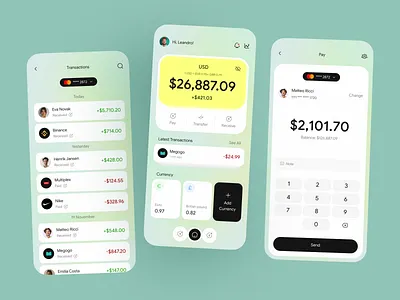
Every digital payment you make—using a debit card, credit card, mobile wallet, or payment app—creates data. Over time, this data forms a behavioral profile that reveals far more than income ever could. It shows your habits, your discipline, your risk tolerance, your stability, and even your stress levels.
To the companies shaping the modern financial system, this behavioral record is often more valuable than your paycheck.
What Is Digital Payment History?
Digital payment history is the ongoing record of your financial behavior across electronic systems. It goes far beyond a monthly bank statement.
It can include:
- Where you spend money
- How often you make purchases
- Whether you pay bills early, on time, or late
- How stable or volatile your spending is
- Which subscriptions you keep or cancel
- How you handle financial emergencies
- Whether you rely on credit or live within cash flow
Unlike salary, which is static and self-reported, payment history is continuous, behavioral, and measurable. That makes it incredibly powerful.
Why Spending Behavior Is More Valuable Than Income
Income tells institutions how much money you should have.
Payment history tells them how you actually behave with money.
From a predictive standpoint, behavior almost always wins.
Someone earning $70,000 who consistently pays bills on time, maintains steady spending, and avoids overdrafts often represents less risk than someone earning $120,000 with erratic transactions and growing debt.
In a data-driven economy, patterns matter more than paychecks.
A Real-Life Comparison: Same City, Different Outcomes
Consider two professionals living in the same metropolitan area.
Person One
- Earns $85,000 per year
- Pays rent and utilities early
- Uses one credit card responsibly
- Maintains predictable monthly expenses
Person Two
- Earns $130,000 per year
- Frequently carries high revolving balances
- Misses payment deadlines
- Shows sharp spending spikes
To lenders and fintech platforms, Person One often appears more trustworthy—even with the lower income. The difference comes from payment history, not salary.
Who Finds Your Digital Payment History Valuable
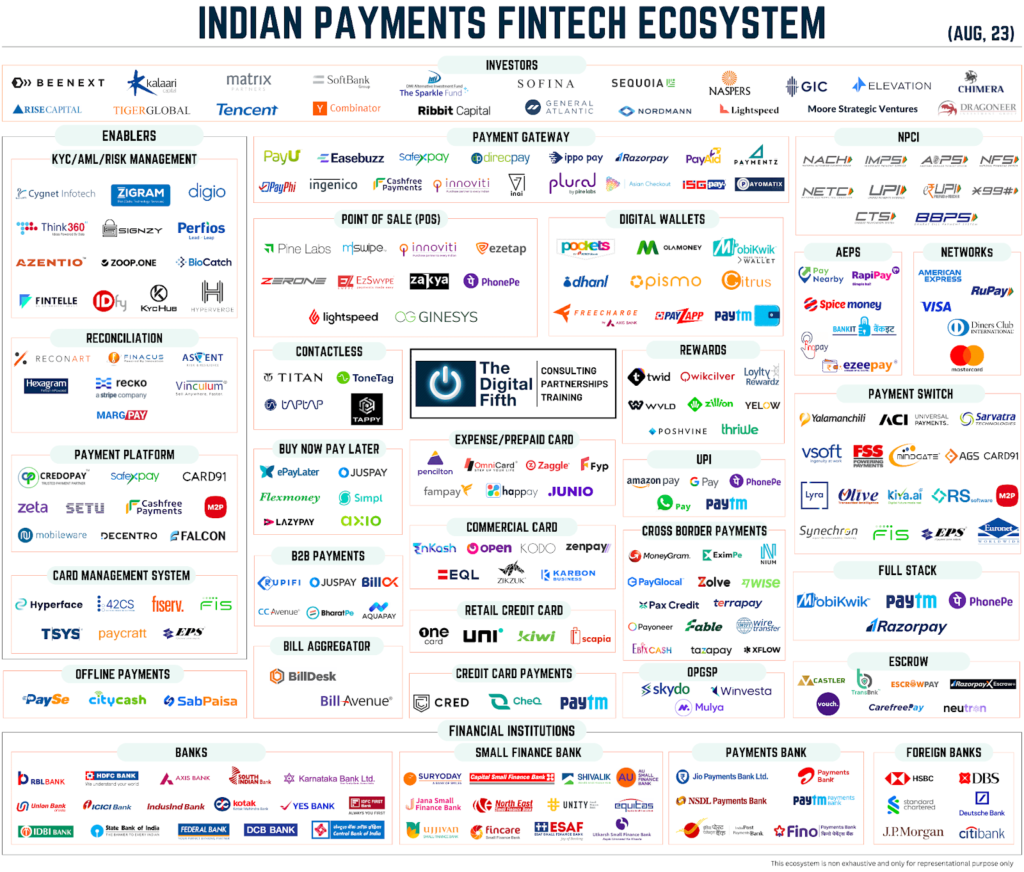
Your transaction data flows through a vast financial ecosystem. Many industries depend on it, even if consumers rarely see how it’s used.
Organizations that value payment data most:
- Banks and credit unions
- Credit card issuers
- Buy Now, Pay Later (BNPL) platforms
- Fintech apps and neobanks
- Insurance companies
- Advertisers and marketers
- Data analytics firms
Each uses payment data differently, but all see it as a predictive asset.
How Lenders Use Payment Data Beyond Credit Scores
Traditional credit scores were designed for a slower economy. They update infrequently and rely heavily on debt usage.
Modern payment data updates constantly.
Lenders now analyze:
- Transaction timing
- Merchant categories
- Cash-flow consistency
- Expense volatility
- Emergency spending behavior
This allows them to approve or deny credit quickly—sometimes without requesting income verification.
Why Fintech Apps Value Your Payment History Even More
Fintech platforms often lack decades of historical credit data. Instead, they rely on real-time behavioral signals.
That’s why many apps monitor:
- Daily spending patterns
- Subscription churn
- Payment timing
- Frequency of balance dips
This information helps them:
- Adjust credit limits dynamically
- Offer personalized financial products
- Predict customer churn
- Reduce default risk
To a fintech company, payment history isn’t just data—it’s product intelligence.
How Advertisers Profit From Transaction Data
Advertisers don’t just want to know what you browse. They want to know what you buy.
Transaction data:
- Confirms real purchases
- Reveals brand loyalty
- Predicts future spending
This is why aggregated payment data is so valuable to marketers—it’s far more reliable than online behavior alone.
Insurance and Behavioral Risk Signals
Insurance companies increasingly explore alternative data to assess risk. While regulations limit direct use, behavioral insights still influence pricing models.
Payment patterns can signal:
- Financial stability
- Likelihood of missed premiums
- Stress-related risk factors
In subtle ways, spending behavior can affect how insurers view you.
Why Payment History Can Matter More Than Your Job
Jobs change. Salaries fluctuate. Careers shift.
Payment history creates a longer-term narrative.
Even during periods of unemployment, transaction data shows:
- How quickly you adjust spending
- Whether you prioritize essentials
- How resilient your finances are
That resilience often matters more than income at a single point in time.
The Power of “Boring” Financial Behavior
Ironically, the most valuable payment histories are often unremarkable.
Predictable, disciplined spending signals:
- Low risk
- High reliability
- Strong self-control
These traits quietly unlock better financial outcomes, often without consumers realizing why they received favorable terms.
The Risks of a Data-Driven Financial World
While payment data can open doors, it also introduces risks.
Potential downsides include:
- Dynamic pricing based on spending behavior
- Reduced credit limits without explanation
- Increased financial surveillance
- Loss of privacy
Once your data exists, controlling its use becomes difficult.
How Valuable Is Your Data, Really?
Industry analysts estimate that detailed consumer transaction data can be worth hundreds to thousands of dollars per person per year to companies that analyze and monetize it.
Meanwhile, consumers often receive little direct compensation beyond convenience or rewards.
Why Consumers Rarely Get Paid for Their Data
Most payment data monetization happens indirectly:
- Buried in terms of service
- Aggregated and anonymized
- Used to improve products or pricing
Consumers trade data for convenience—often without understanding the true value exchange.
How to Protect and Manage Your Digital Payment Footprint
You may not be able to opt out entirely, but you can reduce exposure.
Practical steps to regain control:
- Limit financial app permissions
- Avoid unnecessary payment platforms
- Review linked accounts regularly
- Separate spending and savings accounts
- Read data-sharing disclosures
- Use privacy-focused payment options
Small actions can significantly reduce risk.
Will Regulation Catch Up?
Governments are increasingly focused on financial data privacy, but innovation moves faster than regulation.
Until protections catch up, consumers must be proactive.
The Future: Payment History as a Financial Passport
Payment data is increasingly used to:
- Replace traditional credit scores
- Enable faster approvals
- Expand financial access
Handled responsibly, it could democratize finance. Misused, it could deepen inequality.
Frequently Asked Questions (SEO-Optimized)
1. What is digital payment history?
It is the record of your electronic spending behavior across cards, apps, and platforms.
2. Why is payment history more valuable than income?
Because it predicts real financial behavior rather than potential earning power.
3. Who uses my payment data?
Banks, fintech companies, advertisers, insurers, and analytics firms.
4. Does payment history affect credit decisions?
Yes. Many lenders now use transaction data alongside traditional credit scores.
5. Can spending habits impact insurance pricing?
Indirectly, yes, through behavioral risk models.
6. Is my payment data being sold?
Often in aggregated or anonymized form, depending on the provider.
7. Can I limit data collection?
You can reduce sharing by managing app permissions and platform choices.
8. Do fintech apps rely more on payment data than banks?
Yes. Behavioral data is central to fintech risk models.
9. How long is payment history stored?
Retention varies by provider but can last several years.
10. How can I protect myself?
By limiting app access, monitoring permissions, and practicing disciplined financial habits.
Final Takeaway: Your Money Leaves a Digital Trail
Your salary is a snapshot.
Your payment history is a story.
In today’s economy, the story of how you spend, save, and adapt often matters more than how much you earn at any single moment. Understanding this reality—and managing it intentionally—is one of the most important financial skills of the digital age.