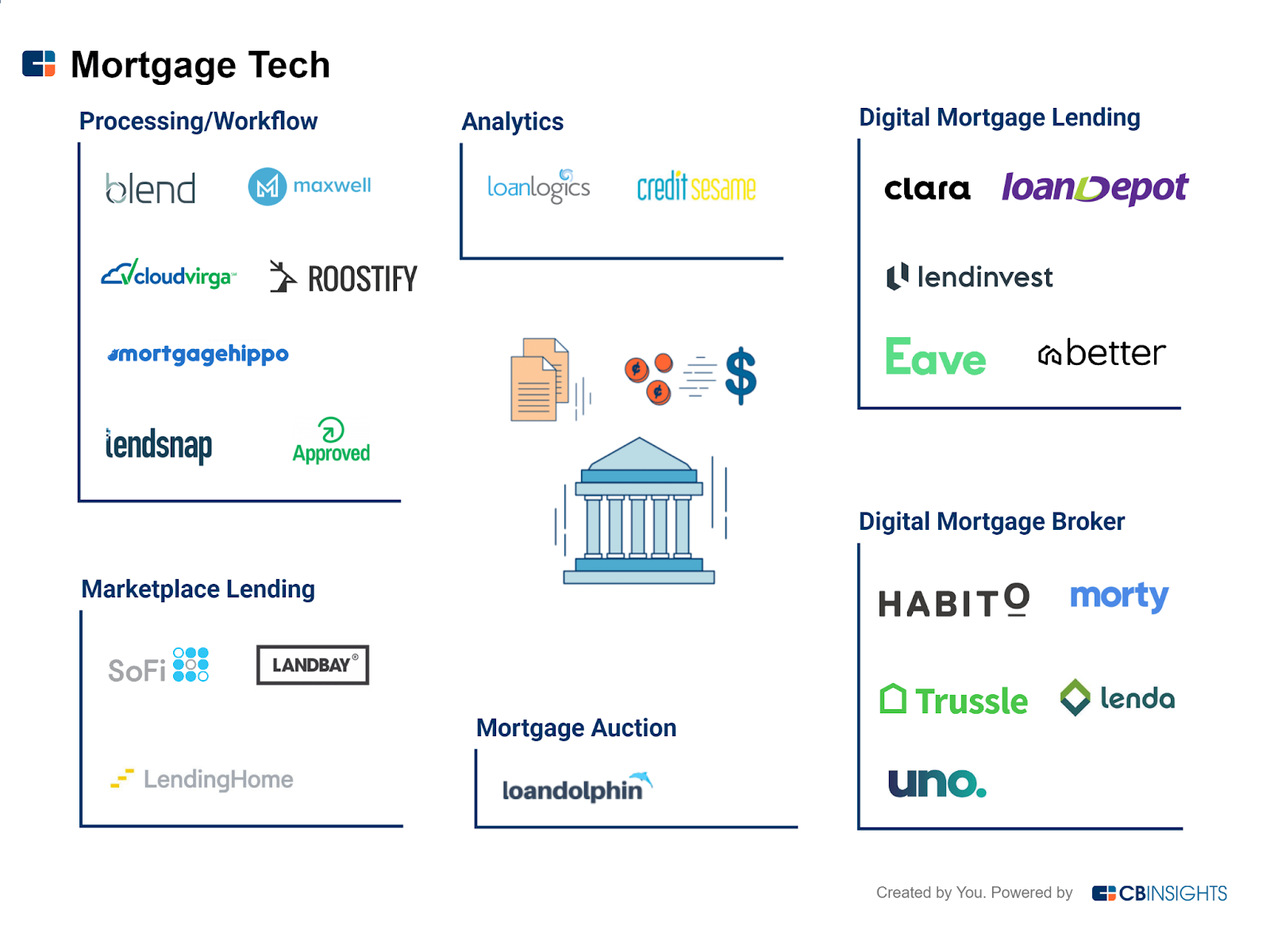
Mortgage approvals no longer need to take weeks. Fintech innovations like automated underwriting, open banking, AI-powered income verification, and real-time credit modeling are dramatically shortening approval timelines. This in-depth guide explains how these tools work, why traditional banks struggle to match them, and how borrowers can use fintech to secure faster, smoother mortgage approvals.
Why Mortgage Approvals Have Traditionally Been So Slow
For most Americans, applying for a mortgage still feels like stepping back in time. Despite digital applications and online portals, the approval process often drags on for 30 to 45 days—or longer. Borrowers upload documents repeatedly, wait days for updates, and brace for last-minute requests that can derail home purchases.
The reason is not a lack of technology, but how traditional mortgage systems are built.
Most banks still rely on:
- Manual income and employment verification
- Static credit reports pulled once during the process
- Paper-heavy compliance workflows
- Siloed systems that don’t communicate in real time
According to the Consumer Financial Protection Bureau (CFPB), nearly one in four mortgage applications experiences delays due to documentation or verification issues. In competitive housing markets, those delays can mean losing a home to a faster buyer.
Fintech tools are now dismantling these bottlenecks—quietly and efficiently.
What “Almost Instant Mortgage Approval” Really Means
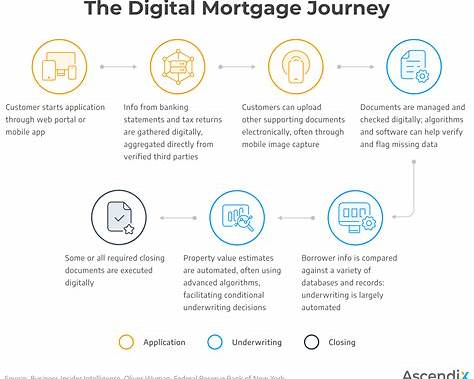
When fintech companies talk about instant mortgage approvals, they are not promising that your loan will fund in five minutes. Instead, they are compressing the decision phase, which has traditionally taken the longest.
An “almost instant” approval typically includes:
- A conditional approval in minutes
- Automated verification of income, assets, and employment
- Real-time risk assessment instead of static snapshots
- Clear next steps without weeks of uncertainty
For many borrowers, this means knowing whether they qualify before they even tour a home, which dramatically changes their negotiating power.
The Fintech Tools Making Mortgage Approvals Faster Than Ever
Automated Underwriting Systems: The Backbone of Speed
Automated underwriting systems (AUS) replace slow, manual evaluations with algorithm-driven decisioning. Instead of waiting for human underwriters to review documents line by line, these systems analyze borrower data instantly.
They evaluate:
- Debt-to-income ratios
- Credit behavior trends
- Employment stability
- Asset sufficiency
While government-sponsored systems like Fannie Mae’s Desktop Underwriter laid the groundwork, fintech lenders have enhanced these models with machine learning and real-time data feeds.
Real-life example:
A salaried professional with stable income and moderate debt applies through a fintech lender on a Sunday evening and receives a conditional approval in under 10 minutes—something impossible with a traditional bank.
Open Banking: Eliminating Paperwork Overnight
Open banking allows borrowers to securely connect their bank accounts directly to lenders. Instead of uploading PDFs or screenshots, financial data flows directly from the source.
This technology enables lenders to:
- Verify income instantly
- Confirm account balances in real time
- Detect inconsistencies automatically
- Reduce fraud risk
Data from Plaid and Finicity shows that open banking can cut verification time by up to 80%.
For borrowers, this means fewer emails, fewer document requests, and dramatically faster decisions.
AI-Powered Income and Employment Verification
One of the biggest pain points in mortgage lending has always been income verification—especially for self-employed borrowers, freelancers, and gig workers.
Fintech tools now use artificial intelligence to analyze:
- Cash-flow patterns
- Multiple income streams
- Seasonal fluctuations
- Long-term earning consistency
Instead of relying solely on tax returns, AI models assess income durability over time.
Real-world scenario:
A freelance designer with fluctuating monthly income gets approved because the system recognizes consistent annual earnings across multiple clients—something traditional underwriting would struggle to interpret.
Smarter Credit Modeling Beyond FICO Scores
Traditional mortgage underwriting relies heavily on FICO scores, which provide only a snapshot of borrower risk. Fintech tools go further by analyzing how credit behavior evolves over time.
Modern models evaluate:
- Payment consistency
- Credit utilization trends
- Recent debt changes
- Alternative data like rent and utility payments
Experian reports that incorporating alternative data can increase mortgage approval rates by 20–30% without raising default risk.
This approach benefits borrowers who are financially responsible but may not have “perfect” credit profiles.
Digital Document Processing and OCR Technology
When documents are required, fintech lenders use optical character recognition (OCR) and AI classification tools to process them instantly.
These systems:
- Extract key data automatically
- Flag inconsistencies within seconds
- Route files to the right workflows immediately
What once took days of manual review now takes minutes, keeping approvals moving without interruption.
Why Traditional Banks Struggle to Match Fintech Speed
Large banks are not slow because they lack intelligence or resources. They are slow because of how they are built.
Traditional institutions face:
- Legacy core banking systems
- High regulatory inertia
- Fragmented internal departments
- Risk-averse approval cultures
Fintech lenders, by contrast, are cloud-native. Their systems are designed for integration, automation, and constant optimization.
This architectural difference—not borrower quality—is why fintech approvals often feel instantaneous.
Do Fintech Tools Actually Reduce Mortgage Denials?
Yes, and the data supports it.
A Federal Reserve study found that digital-first mortgage lenders approved 8–10% more applicants than traditional banks, while maintaining similar default rates.
Fintech tools reduce denials by:
- Evaluating real financial behavior instead of rigid criteria
- Reducing human bias in decision-making
- Catching issues early instead of at the final stage
For borrowers, this translates to fewer surprises and higher confidence throughout the process.
How Borrowers Can Use Fintech to Speed Up Their Mortgage Approval
Technology alone isn’t enough—borrower behavior still matters.
To maximize approval speed:
- Keep bank activity clean and consistent
- Avoid large unexplained deposits
- Pay down revolving debt where possible
- Choose digital-first lenders or fintech-powered brokers
- Prepare tax documents early if self-employed
Even small improvements can shave weeks off approval timelines.
Are Near-Instant Mortgage Approvals Safe and Trustworthy?
This is one of the most searched questions in the U.S.—and the answer is yes.
Fintech mortgage lenders operate under the same regulations as banks, including:
- Truth in Lending Act (TILA)
- Equal Credit Opportunity Act (ECOA)
- Fair Housing Act
In many cases, automated systems are less biased than manual underwriting because they apply consistent criteria across all applicants.
What the Future of Mortgage Approvals Looks Like
Mortgage technology is still evolving. In the near future, borrowers can expect:
- Same-day clear-to-close approvals
- AI-driven appraisals using satellite and market data
- Embedded mortgages within real estate platforms
- Personalized loan pricing in real time
The mortgage process is shifting from a stressful event to a background function—fast, invisible, and data-driven.
Key Takeaways for Homebuyers
- Mortgage approvals no longer need to take weeks
- Fintech tools automate verification and underwriting
- Borrowers benefit from faster, clearer decisions
- Traditional banks lag due to outdated systems
- The future of mortgages is digital and borrower-centric
Frequently Asked Questions (Trending & Search-Optimized)
1. Can you really get mortgage approval in minutes?
Yes, many fintech lenders provide conditional approvals within minutes using automated underwriting.
2. Is instant mortgage approval the same as final approval?
No. It usually means conditional approval, with final steps completed later.
3. Do fintech mortgage lenders charge higher rates?
Not necessarily. Many offer competitive or lower rates due to reduced overhead.
4. Is open banking safe for mortgage applications?
Yes. It uses encrypted, permission-based access regulated under U.S. financial standards.
5. Will applying through fintech hurt my credit score?
Most pre-approvals use soft credit checks, which do not affect your score.
6. Can self-employed borrowers benefit from fintech tools?
Absolutely. AI income analysis is especially beneficial for non-traditional earners.
7. Are fintech mortgage approvals accurate?
Yes, they often reduce human error and improve consistency.
8. Do traditional banks use these technologies?
Some do, but adoption is slower due to legacy systems.
9. What documents are still required?
Typically identification, tax documents (if applicable), and account authorizations.
10. Will fintech replace mortgage brokers?
More likely, fintech will empower brokers rather than replace them.
Final Thought
Mortgage approvals don’t have to be stressful, slow, or opaque. Fintech tools are quietly reshaping the experience—turning weeks of uncertainty into minutes of clarity. For modern homebuyers, understanding and leveraging these tools isn’t just helpful—it’s a competitive advantage.