In December 2025, the Federal Reserve quietly resumed Treasury bill purchases and cut interest rates again, a move that hasn’t fully hit Wall Street headlines. While the rate cut grabbed attention, the Fed’s behind-the-scenes liquidity operations could reshape markets, credit flows, and investor behavior. This article explains what happened, why it matters, and how it could impact consumers, businesses, and investors.
Introduction: A Quiet Move With Big Implications
Financial markets tend to react strongly to Federal Reserve policy changes, but not all moves are immediately obvious. On December 10, 2025, the Fed took two significant actions:
- Cut the federal funds rate by 0.25 percentage points to a range of 3.5%–3.75% — the lowest in nearly three years.
- Resumed purchases of short-term Treasury bills worth approximately $40 billion as part of a technical liquidity operation.
While the rate cut made headlines, analysts and media outlets largely overlooked the Treasury purchases, which are designed to stabilize bank reserves and money market conditions. Understanding these subtle moves is essential for investors and consumers trying to interpret the Fed’s strategy.
1. What Exactly Did the Fed Do?
1.1 Another Interest Rate Cut — But Why Now?
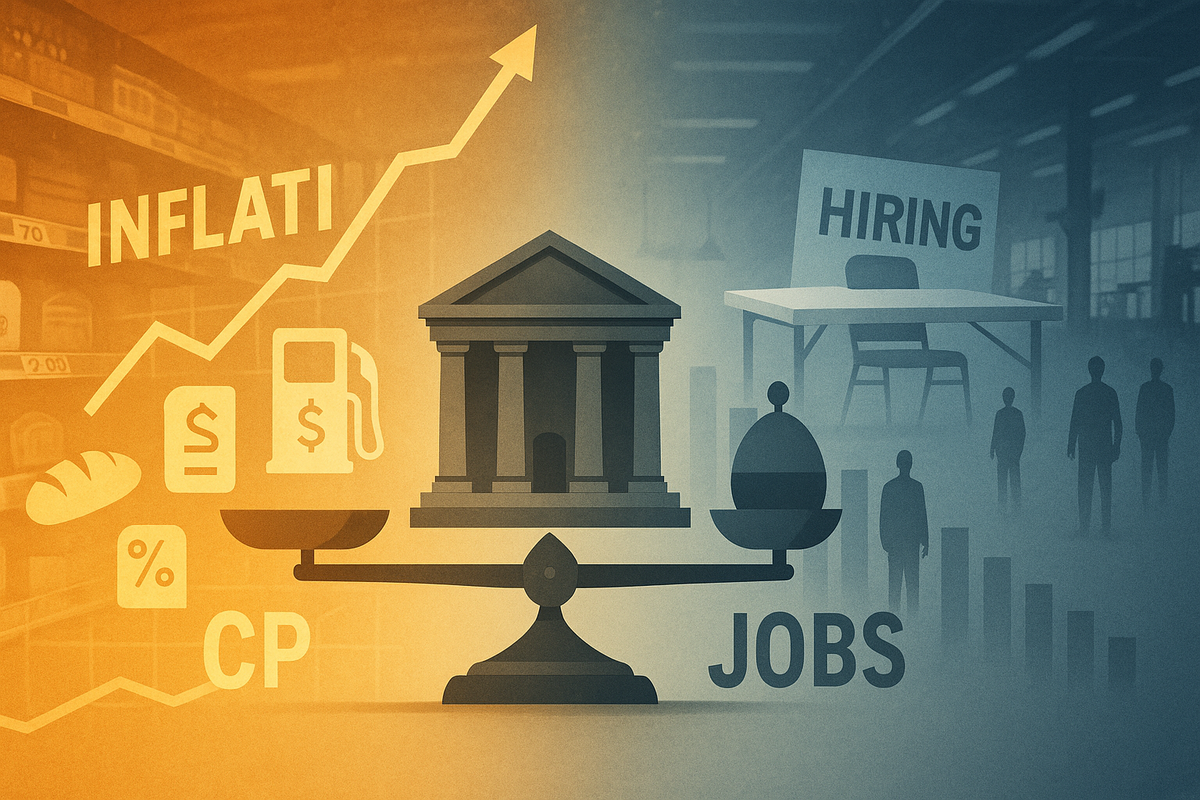
The federal funds rate influences everything from mortgage rates to corporate lending. By cutting the rate, the Fed is signaling its intent to support economic growth and employment, while carefully balancing persistent inflation pressures.
- Reason for the cut: Slower job growth and inflation remaining above the 2% target.
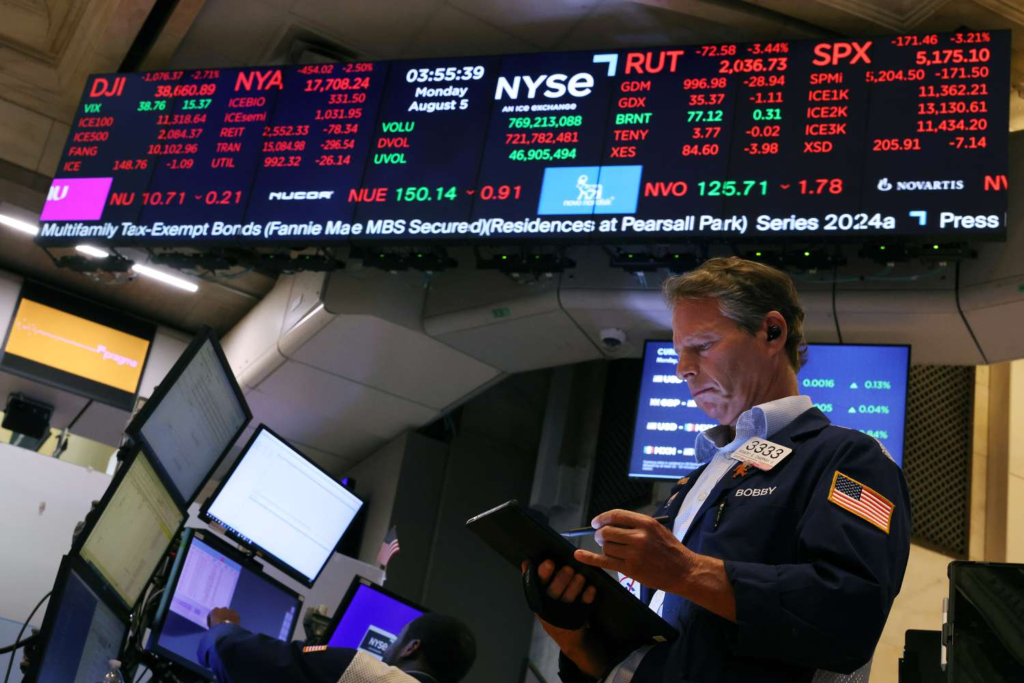
- Immediate market effect: Stock markets experienced a modest uptick, while Treasury yields declined.
Although this appears to be a standard rate adjustment, the Fed’s actions signal a broader concern for underlying liquidity in the banking system — a nuance often overlooked in media coverage.
1.2 Resuming Treasury Bill Purchases: The Hidden Story
The Fed’s announcement that it would start buying short-term Treasury bills may not sound dramatic, but it’s a crucial move. Unlike traditional quantitative easing, these reserve management operations are designed to maintain stability in short-term funding markets, not to stimulate the economy directly.
Key implications:
- Addressing bank liquidity pressures: Banks require sufficient reserves to maintain daily operations.
- Maintaining federal funds rate targets: Ensures interest rates remain aligned with policy objectives.
- Signaling caution: Reflects concerns about underlying money market stresses.
This technical maneuver suggests that the Fed is preparing for potential economic volatility, even if headline rates do not immediately indicate a shift in policy stance.
2. Why Wall Street Isn’t Talking About It (Yet)
Financial media and analysts often focus on headline rates rather than subtle liquidity operations. Here’s why:
- Technical Treasury purchases don’t appear as policy changes in public-facing statements.
- Wall Street models tend to prioritize rate changes over liquidity management signals.
- Market participants may misinterpret short-term optimism in equities as a sign of stronger economic health, overlooking hidden stress in money markets.
The result is a disconnect between headline narratives and underlying market dynamics — a gap that savvy investors can exploit.
3. Real-World Examples of Hidden Fed Signals Moving Markets
3.1 Repo Market Volatility in 2019
In September 2019, the repo market experienced sudden spikes in short-term borrowing costs, forcing the Fed to inject emergency liquidity. Most of this occurred behind the scenes, and mainstream headlines only caught up after the market reacted. Equities and bond markets were influenced more by the hidden liquidity crisis than by interest rate expectations.
3.2 Early 2023 Bank Stress
During the 2023 banking sector turbulence, the Fed implemented emergency lending facilities to stabilize money markets. Banks with thin reserves experienced difficulty accessing short-term funding, which wasn’t immediately reflected in headline interest rates. By the time markets recognized the strain, asset prices had already moved.
Lesson:
Market participants often “feel” Fed actions before they are fully explained in public statements. Today’s Treasury bill purchases and rate cuts may foreshadow larger policy shifts.
4. What This Means for Markets, Investors, and Consumers
4.1 Financial Markets
- Equities: Lower rates may boost stock prices temporarily, but underlying liquidity issues could add volatility.
- Bonds: Treasury yields may decline on short-term instruments, but long-term yields could rise if inflation expectations persist.
- Credit spreads: Banks operating with thin reserves may tighten lending, increasing borrowing costs for businesses and consumers.
4.2 Consumers
- Mortgage and loan rates: While rate cuts generally reduce borrowing costs, liquidity concerns may limit the flow of credit.
- Savings and CDs: Lower rates may reduce interest earned on deposits.
4.3 Small Businesses
- Access to credit: Lower rates are beneficial, but only if banks are willing to lend.
- Liquidity management: Companies should monitor cash reserves as banking conditions fluctuate.
5. Trending Questions Americans Are Asking About This Move
Q1: Why did the Fed start buying Treasury bills again?
The Fed is buying short-term Treasuries to ensure adequate bank reserves and maintain the federal funds rate, addressing liquidity challenges in money markets.
Q2: Does this mean more rate cuts in 2026?
It signals caution but not a guarantee of future cuts. The Fed is preparing for potential economic softness.
Q3: Why isn’t this move more widely covered?
Technical liquidity operations are behind-the-scenes tools, not public-facing stimulus measures, so they often receive less media attention.
Q4: How will this affect mortgage and loan rates?
Rate cuts may reduce borrowing costs, but liquidity constraints can limit credit availability, particularly for smaller borrowers.
Q5: Does this suggest the U.S. economy is weakening?
It reflects the Fed’s caution rather than a direct indicator of recession, responding to slower job growth and persistent inflation.
Q6: Are markets mispricing the Fed’s intentions?
Potentially yes — markets may be too focused on headline rates and miss underlying liquidity signals that affect credit availability and risk pricing.
Q7: Is quantitative tightening over?
Resuming Treasury purchases indicates that quantitative tightening is paused and may be partially reversed in technical terms.
Q8: Will inflation expectations change?
Easier monetary conditions can influence inflation expectations, particularly in asset markets like stocks and real estate.
Q9: Is the Fed signaling fear of financial instability?
These moves suggest precautionary action to prevent liquidity shocks and maintain financial system stability.
Q10: How should individual investors respond?
Focus on portfolio diversification, risk management, and monitoring liquidity-sensitive indicators rather than reacting to headlines alone.
6. Practical Takeaways: What You Can Do Now
For Investors:
- Rebalance portfolios to include a mix of equities, bonds, and alternative assets.
- Monitor liquidity indicators such as money market rates and credit spreads, not just headline interest rates.
For Small Business Owners:
- Secure financing while rates remain favorable.
- Maintain strong liquidity buffers to navigate potential credit tightening.
For Savers:
- Shop for competitive savings products and high-yield accounts.
- Consider laddered CDs or short-term bonds to protect yield in a changing rate environment.
7. Conclusion
The Fed’s recent actions — a rate cut combined with the resumption of Treasury bill purchases — indicate a cautious, pre-emptive approach to potential market stress. Wall Street may focus on the headline rate cut, but the underlying liquidity operations provide a deeper signal about where monetary policy could be heading. Investors, businesses, and consumers alike should pay attention to both the overt policy moves and the subtle actions that reveal the Fed’s true concerns.
By understanding these nuanced signals, market participants can position themselves more strategically and anticipate risks before they materialize in asset prices or borrowing costs.