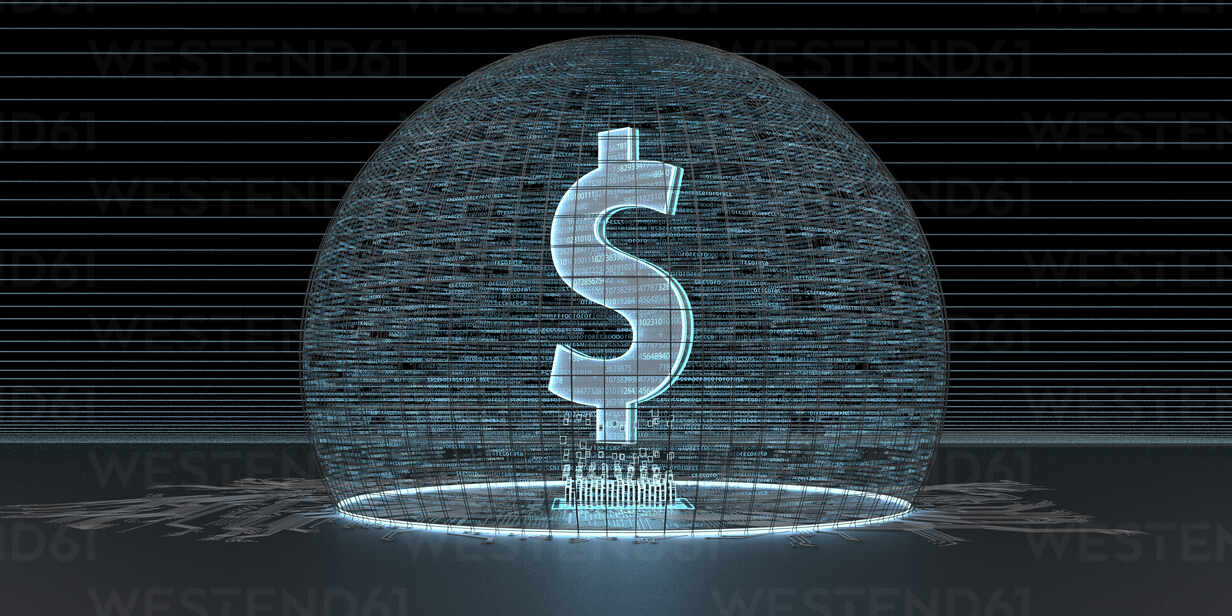
The idea of a Fed-backed digital dollar is moving from theory to serious policy debate. As cash usage declines and fintech innovation accelerates, supporters argue a U.S. central bank digital currency could modernize payments, expand financial inclusion, and protect dollar dominance. Critics warn of privacy risks and government overreach. This in-depth guide explores whether America is truly ready for a digital dollar.
Introduction: The Quiet Shift That Could Redefine Money in America
Most Americans already live in a largely cash-free world. Paychecks arrive digitally, bills are paid through apps, and splitting dinner often means tapping a phone instead of passing cash. Yet beneath this digital surface, the U.S. financial system still relies on aging infrastructure built decades ago.
Now, a question once limited to economists and central bankers has entered mainstream discussion: Should the United States create a Fed-backed digital dollar?
Around the world, governments are experimenting with central bank digital currencies (CBDCs). Meanwhile, fintech firms are reshaping how money moves—often faster than regulators can react. Against this backdrop, the digital dollar debate has become less about innovation and more about relevance, sovereignty, and trust.
The fintech world believes the answer is clear. Washington remains divided. And everyday Americans are left wondering how a digital dollar would affect their lives.
What Is a Fed-Backed Digital Dollar?
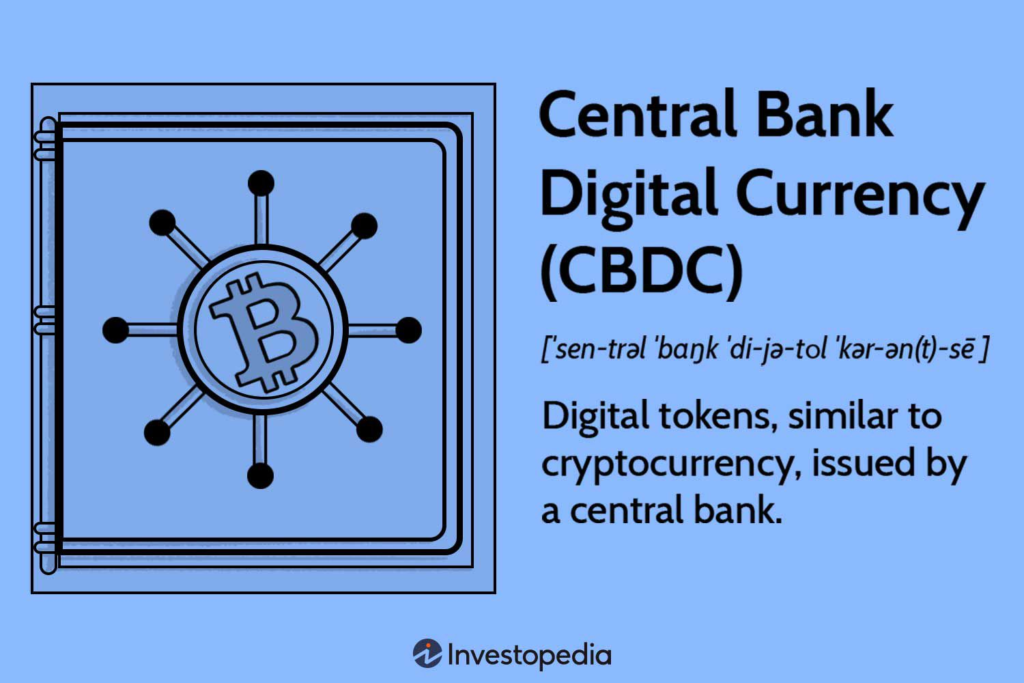
A Fed-backed digital dollar would be a digital form of U.S. currency issued by the Federal Reserve, just like physical cash. It would represent a direct claim on the central bank, not on a private company.
This distinction matters.
Unlike:
- Credit card balances
- Bank deposits
- Payment app funds
A digital dollar would be central bank money, meaning it carries no private-issuer risk.
In simple terms, it would be digital cash—usable electronically, but backed by the same authority as paper dollars.
What a Digital Dollar Is Not
Much of the confusion around digital dollars comes from mixing them up with other digital assets.
A Fed-backed digital dollar is:
- Not Bitcoin
- Not a cryptocurrency you mine
- Not a private stablecoin like USDC
- Not a replacement for all banks
Instead, it would exist alongside cash, bank deposits, and payment apps—acting as a new layer of public financial infrastructure.
Why Is the Federal Reserve Studying a Digital Dollar?
The Federal Reserve did not suddenly wake up interested in digital money. Multiple structural shifts have pushed the issue forward.
Key forces driving the conversation include:
- Declining use of physical cash
- Rising dominance of private payment platforms
- Growth of stablecoins outside traditional banking
- Faster payment systems launched by other countries
- National security and monetary sovereignty concerns
More than 100 countries are researching or piloting CBDCs. China’s digital yuan is already in large-scale trials. Europe is preparing a digital euro. The concern for U.S. policymakers is that standing still may weaken the dollar’s global influence.
Real-World Example: How Slow Payments Affect Americans Today
During the COVID-19 pandemic, millions of Americans waited weeks or months for stimulus payments. Some checks were lost. Others arrived long after bills were due.
Fintech leaders often point to this moment as proof that America’s payment rails are outdated. A digital dollar, they argue, could allow instant government payments during emergencies—no checks, no delays, no intermediaries.
For households living paycheck to paycheck, speed isn’t a convenience—it’s survival.
Why the Fintech Industry Strongly Supports a Digital Dollar
To fintech companies, a digital dollar is not competition—it’s infrastructure.
Today’s apps rely on legacy systems like ACH transfers, which were never designed for real-time, 24/7 money movement. Even modern payment apps often mask slow settlement behind slick interfaces.
Fintech advocates argue a digital dollar could:
- Enable instant payments around the clock
- Reduce transaction fees for merchants
- Improve access for unbanked Americans
- Support programmable money for innovation
- Decrease reliance on private stablecoins
In the fintech view, a digital dollar modernizes the foundation rather than building more workarounds on top.
What Would a Digital Dollar Look Like for Everyday Americans?
For most consumers, a digital dollar would not feel revolutionary at first.
You might access it through:
- Your existing bank app
- A fintech wallet
- A government-approved digital wallet
You wouldn’t need to understand blockchain or cryptography. You would simply send and receive dollars—faster and more securely.
Potential everyday benefits:
- Paychecks that clear instantly
- Faster tax refunds
- Lower remittance costs
- Reduced reliance on payday lenders
- Safe digital money without bank fees
For the nearly 6 million unbanked households in the U.S., a digital dollar could offer basic financial access without requiring a traditional bank account.
The Privacy Debate: The Biggest Obstacle to Adoption
Privacy is the most emotionally charged issue in the digital dollar debate.
Many Americans fear that a government-issued digital currency could allow authorities to:
- Monitor spending
- Freeze accounts
- Limit how money is used
These fears are amplified by examples from other countries where digital payment systems are tightly monitored.
The Federal Reserve has repeatedly stated that privacy protections would be central to any U.S. digital dollar design, potentially offering anonymity for small transactions similar to cash. Still, trust remains fragile.
For a nation deeply skeptical of centralized power, privacy concerns may be the hardest hurdle to overcome.
Would a Digital Dollar Eliminate Banks?
Despite popular fears, most digital dollar proposals do not eliminate banks.
Instead, they envision a two-tier system:
- The Fed issues the digital currency
- Banks and fintechs distribute and manage access
Banks would continue to:
- Take deposits
- Make loans
- Offer financial products
- Provide customer service
In this model, the digital dollar becomes a public utility—like highways or the internet—rather than a replacement for private enterprise.
Digital Dollar vs. Stablecoins: Why the Difference Matters
Stablecoins are often cited as proof that private innovation already solves digital money. But recent history shows the risks.
Stablecoins depend on:
- Reserve transparency
- Issuer solvency
- Regulatory oversight
When trust breaks, stability disappears.
A Fed-backed digital dollar removes this uncertainty. There is no issuer risk because the issuer is the central bank itself. For fintech companies, this provides a safer base layer on which to build services.
Political Resistance: Why the U.S. Is Moving Slowly
Unlike many countries, the U.S. faces intense political division around digital currency.
Some lawmakers see a digital dollar as:
- Government overreach
- A threat to free markets
- A surveillance tool
Others argue that refusing to modernize puts America at risk of losing financial leadership.
As a result, progress has been cautious. The Fed continues research and public consultation but has made no commitment to launch.
Is America Technically Ready for a Digital Dollar?
From a technological perspective, the answer is largely yes.
The U.S. already operates:
- Secure settlement systems
- Instant payment networks like FedNow
- Advanced compliance and identity frameworks
The challenge is not technology—it’s governance, public trust, and political consensus.
What Happens If the U.S. Does Nothing?
Doing nothing is also a choice—with consequences.
If other countries successfully deploy CBDCs while the U.S. hesitates:
- Global reliance on the dollar could weaken
- Foreign payment systems could gain influence
- Private digital money could fill the vacuum
For a country whose economic power is tied to its currency, this risk is significant.
The Most Likely Path Forward
Most experts expect a gradual approach rather than a dramatic launch.
This likely includes:
- Continued pilots and research
- Limited use cases (government payments, interbank settlement)
- Strong privacy and legal safeguards
- Optional adoption for consumers
If a digital dollar arrives, it will likely do so quietly—without eliminating cash or forcing adoption.
Final Verdict: Is America Ready for a Digital Dollar?
America is technologically prepared—but socially divided.
Fintech companies see modernization. Policymakers see risk. Consumers see both convenience and concern.
The success of a Fed-backed digital dollar will depend less on software and more on trust, transparency, and choice.
Frequently Asked Questions (SEO-Optimized)
1. What is a Fed-backed digital dollar?
A digital form of U.S. central bank money issued by the Federal Reserve.
2. Is a digital dollar the same as cryptocurrency?
No. It is government-issued and centrally managed.
3. Will a digital dollar replace cash?
No. Most proposals treat it as an option, not a replacement.
4. Can the government track digital dollar spending?
Privacy protections are expected, but concerns remain.
5. Would banks disappear with a digital dollar?
No. Banks would continue to play a key role.
6. Is the U.S. behind other countries on CBDCs?
Yes. Many countries are further along in pilots.
7. How would Americans use a digital dollar?
Through banks, fintech apps, or approved wallets.
8. Are stablecoins safer than a digital dollar?
No. Stablecoins carry private issuer risk.
9. When will the U.S. launch a digital dollar?
There is no official timeline.
10. Why does fintech support a digital dollar?
It modernizes payments and reduces reliance on outdated systems.